
How to Set Up a Home Theater: A Complete Beginner’s Guide
Setting up a home theater transforms any room into a dedicated space for film, live performance recordings, and sports. The process does not require a dedicated home cinema room or an unlimited budget. With the right planning, you can build a genuinely impressive setup in a living room, spare bedroom, or basement.
This guide walks you through every stage, from choosing your screen to calibrating your sound, so your home theater performs at its best from day one.
The key is making decisions in the right order. Get the fundamentals right first, and the details fall into place.
Choose Your Screen or Projector
The display is the centerpiece of any home theater, and it is the decision that shapes everything else.
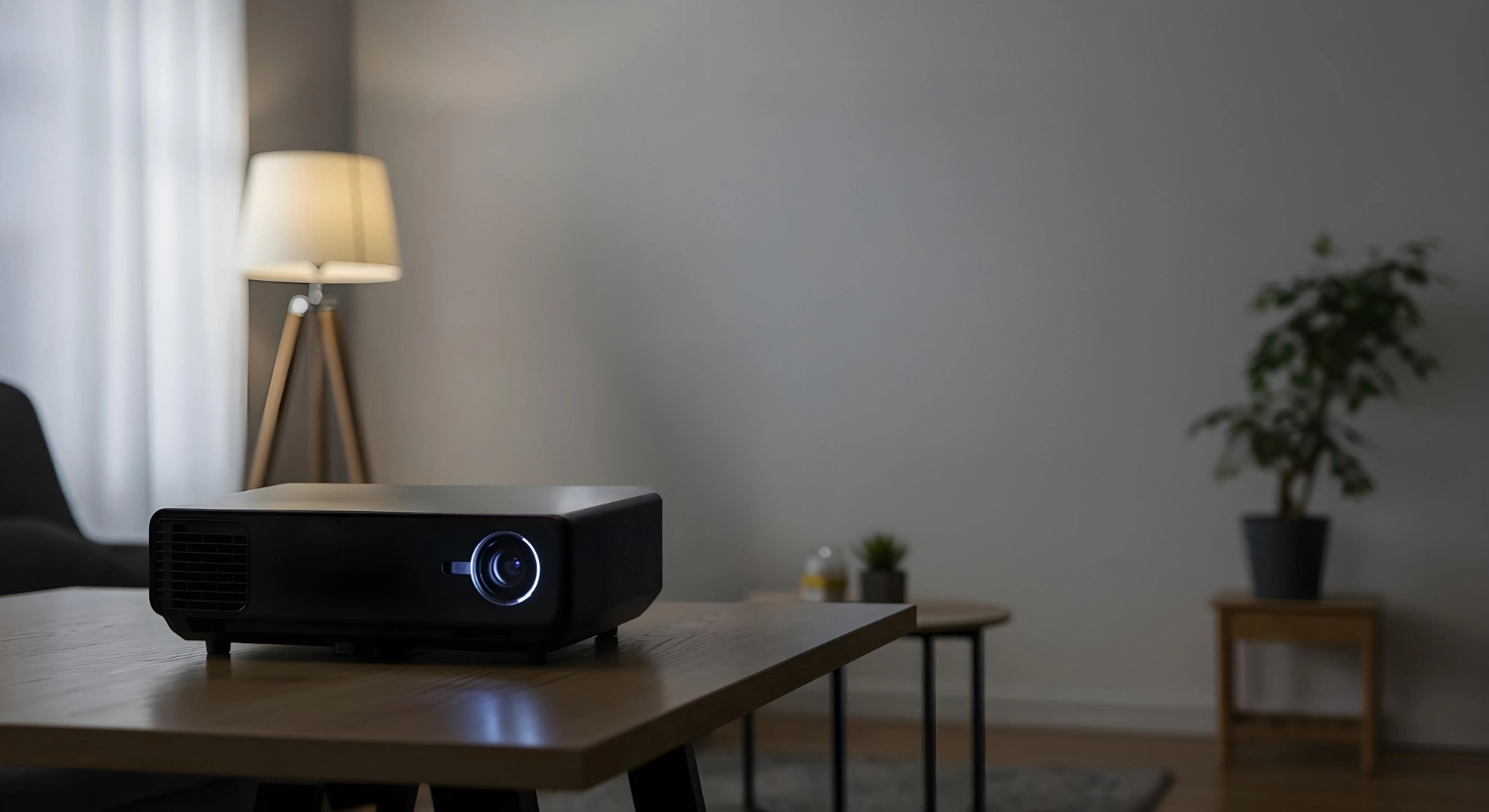
You have two main options: a flat-panel television or a projector with a screen. Large 4K televisions in the 65- to 85-inch range offer bright, sharp images with minimal setup complexity. Projectors allow for larger image sizes and a more cinematic feel, but they require a darker room and more careful placement.
For most home setups, a 4K OLED or QLED television between 65 and 77 inches delivers excellent picture quality without the setup complexity of a projector. OLED panels offer superior black levels for dramatic productions and film. QLED panels deliver higher peak brightness, which suits brighter rooms.
Your room size and ambient light levels should guide this decision. A projector in a room with uncontrolled light will disappoint. A well-chosen television will perform consistently regardless of time of day.
If you opt for a projector, calculate your throw distance before purchasing. Most home projectors require a certain distance from lens to screen to achieve your target image size. Short-throw projectors reduce this requirement significantly.
Plan Your Audio Setup
Audio is where most home theater setups underperform, and where the biggest gains are available relative to cost.
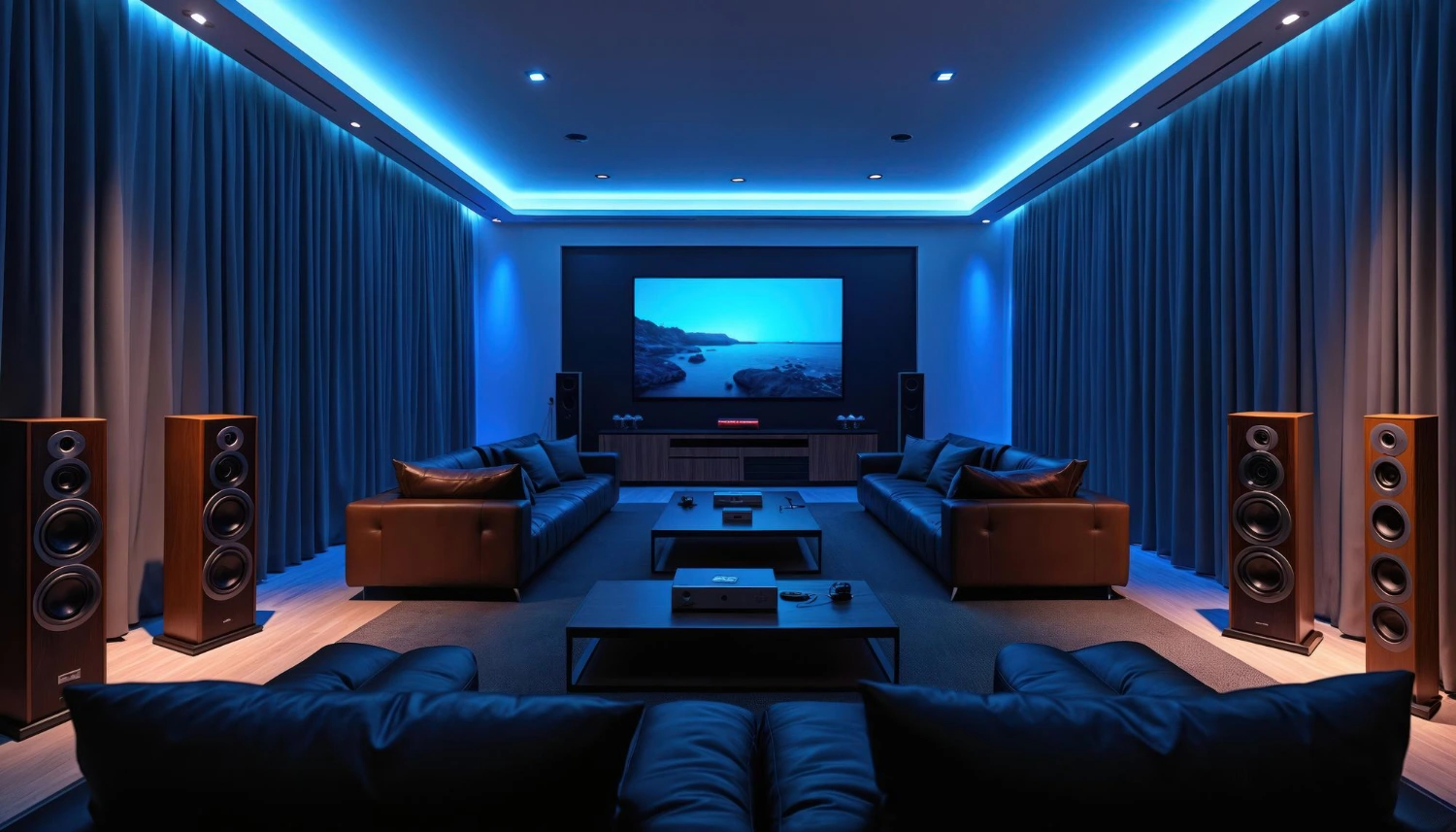
A true home theater audio experience requires surround sound. The standard configuration is a 5.1 system: five speakers (front left, center, front right, rear left, rear right) plus a subwoofer. A 7.1 system adds two additional side channels for a wider soundstage. Dolby Atmos and DTS:X systems add overhead speakers for three-dimensional audio, which is particularly effective for theatrical productions and action films.
The center speaker is the most important channel in any home theater system. Dialogue is anchored there, and clear dialogue is the foundation of an intelligible audio experience. Invest in a quality center speaker before expanding elsewhere.
Position your subwoofer for even bass distribution. Placing it in a corner often boosts bass output but can make it boomy and imprecise. Experiment with placement before finalizing your setup.
If running speaker cables through walls is not practical, look at wireless rear speaker kits, which have improved considerably in recent years and eliminate the most common home theater installation obstacle.
Speaker placement follows established guidelines. Front speakers should form an equilateral triangle with your seating position. Rear speakers should be slightly above ear level and angled toward the listening area. These principles apply regardless of your budget.
Select Your Source Devices and Connections
Your home theater needs content sources, and the connections you use affect picture and sound quality.
HDMI 2.1 is the current standard for home theater connections. It supports 4K at 120Hz, 8K video, and the audio return channel (ARC) that simplifies system wiring. Use HDMI 2.1 cables and ports wherever possible, particularly between your AV receiver and display.
Common source devices include streaming sticks and boxes (Apple TV 4K, Roku Ultra, Amazon Fire TV Stick 4K Max), Blu-ray players, and gaming consoles. A quality streaming device handles the majority of content for most home theater users. A 4K Blu-ray player is worth adding if you value the highest possible picture and audio quality for films.
An AV receiver acts as the nerve center of your home theater. It routes audio and video signals, drives your speakers, and handles processing for surround sound formats. Choose a receiver with enough HDMI 2.1 inputs to accommodate all your source devices, and with power output that matches your speaker configuration.
Calibrate Your Display and Sound
Calibration separates a mediocre home theater from an exceptional one, and it costs nothing but time.
1
Display Calibration
Most televisions ship with picture modes optimized for showroom floors, not home viewing. Switch to a Cinema or Movie mode as your starting point. These modes use more accurate color settings and lower brightness levels that reduce eye fatigue during long viewing sessions.
2
Audio Calibration
Most AV receivers include an automatic speaker calibration system. Audyssey, YPAO, and MCACC are the most common. Place the included microphone at your seating position and run the calibration process. It measures your room’s acoustics and adjusts speaker levels, distances, and equalization automatically.
3
Subwoofer Integration
Set your subwoofer crossover frequency between 80Hz and 120Hz for most home theater speaker systems. This hands off low frequencies to the subwoofer while keeping mid-bass with your main speakers for a coherent, blended soundstage.
4
Room Treatment
If your room has hard reflective surfaces, consider adding acoustic panels or heavy curtains. Reflections from walls and ceilings blur the soundstage and reduce dialogue clarity. Even modest treatment makes an audible difference.
Frequently Asked Questions
Here are direct answers to the questions that come up most often when setting up a home theater.
How Much Does a Home Theater Cost?
A functional home theater setup starts at around $1,500 to $2,000 for a quality 4K display, a mid-range AV receiver, and a basic 5.1 speaker package. A serious enthusiast setup ranges from $5,000 to $15,000 or more. You do not need to spend at the high end to enjoy a genuinely impressive result.
Do I Need a Dedicated Room for a Home Theater?
No. A living room, spare bedroom, or basement all work well. A dedicated room gives you better light control and fewer acoustic compromises, but excellent results are achievable in a shared space with careful setup choices.
What Is the Best Screen Size for a Home Theater?
The right size depends on your seating distance. A common guideline is to sit at a distance 1.5 to 2.5 times the screen’s diagonal measurement. For a 75-inch screen, that means sitting between 9 and 15 feet away. Closer seating at a given screen size produces a more immersive experience.
Do I Need an AV Receiver?
An AV receiver is the most practical way to manage a multi-speaker home theater with multiple source devices. A soundbar with satellite speakers is a simpler alternative that suits smaller rooms and more casual setups. For a genuine surround sound home theater experience, a receiver is the right choice.
What Streaming Service Has the Best Quality for Home Theaters?
Apple TV+, Netflix, Disney+, and Amazon Prime Video all offer 4K HDR content. For the highest possible quality in a home theater context, 4K Blu-ray remains the reference standard. Streaming compression, even at its best, removes some detail that physical media preserves.
How Do I Reduce Echo in My Home Theater?
Echo and reverberation come from hard, reflective surfaces. Rugs, upholstered furniture, curtains, and acoustic panels all absorb sound and reduce echo. Bookshelves filled with books are an effective and aesthetically pleasing form of acoustic diffusion that works particularly well in home theater rooms.