
William Shakespeare wrote 37 plays across roughly 25 years of active work, and they remain the most performed dramatic works in the world. Whether you are encountering them for the first time or returning to a favorite, understanding his body of work gives you a richer experience of both reading and performance.
His plays divide into three broad categories: tragedies, comedies, and histories, each with its own conventions, rhythms, and pleasures.
Why Shakespeare Plays Still Matter
Shakespeare plays endure not because they are required reading, but because they address the questions every generation faces: ambition, jealousy, love, identity, and power.
His characters feel real in a way that transcends their Elizabethan setting. Hamlet’s hesitation is recognizable. Iago’s manipulation is disturbingly familiar. Viola’s resourcefulness feels contemporary. That psychological depth is what keeps audiences returning to these works across centuries and cultures.
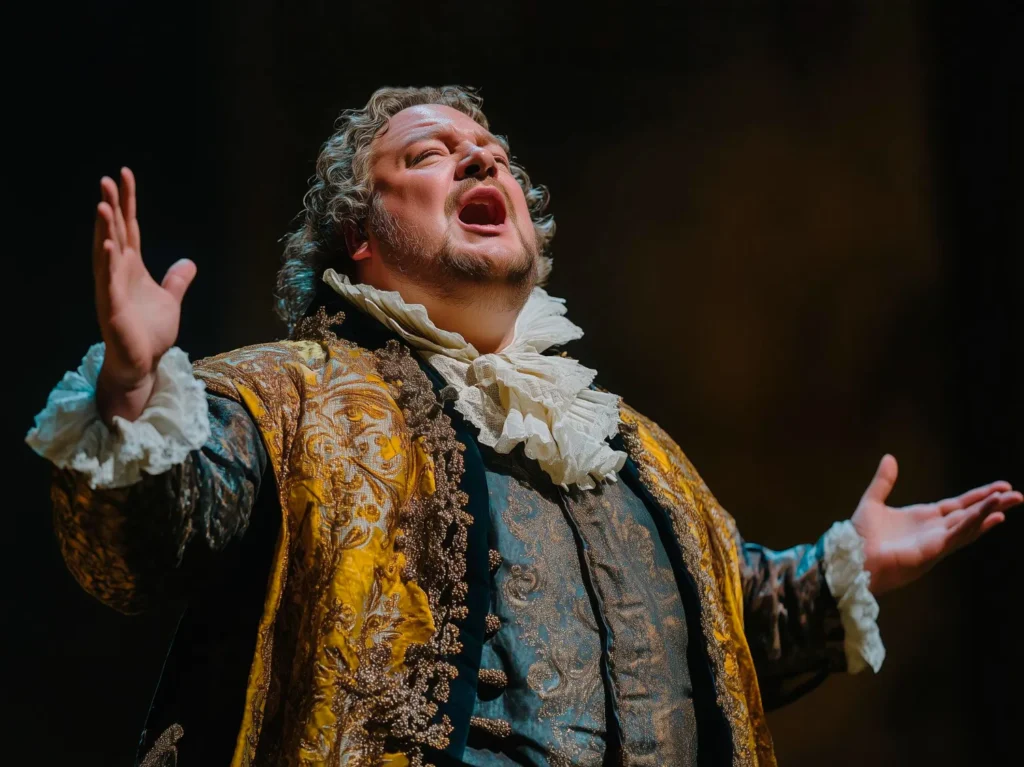
Productions of Shakespeare plays take place on every continent, in dozens of languages, in settings that range from faithful reconstructions of the Globe Theatre to modern dress interpretations set in corporate offices and dystopian futures. The plays are a framework that each era reshapes to tell its own story.
The language can feel like a barrier, but it rewards patience. Reading alongside a good annotation, or watching a live production before reading, unlocks the rhythm and humor that are invisible on the page at first glance.
The Major Categories of Shakespeare Plays
Shakespeare’s works fall into recognized groupings, each with distinct characteristics.
1
The Tragedies
The tragedies are his most studied works and the ones most frequently produced on major stages. Hamlet, Othello, King Lear, and Macbeth form the core of this group. Each follows a central figure whose flaws or circumstances lead to catastrophic consequences.
2
The Comedies
Shakespeare’s comedies range from romantic farce to sophisticated wit. A Midsummer Night’s Dream, Much Ado About Nothing, Twelfth Night, and As You Like It are among the most performed. They typically end in marriage, but the journey is full of mistaken identity, wordplay, and social observation.
3
The History Plays
The history plays dramatize the lives of English kings, particularly the turbulent period from Richard II through Henry V. They are political plays as much as historical ones, exploring how power is gained, maintained, and lost.
4
The Late Romances
A fourth grouping, sometimes called the romances or late plays, includes The Tempest, The Winter’s Tale, and Pericles. These plays share a pattern of loss, wandering, and reunion, and they carry a more contemplative tone than the earlier works.